17th-century immigrants
Across the Atlantic in 1662: The Merle Family Comes to New Netherland
On 12 October 1662 a ship sailed from Amsterdam for the Dutch colony of New Netherland, reaching New Amsterdam four months later, in February 1663. Among its passengers was a Huguenot family from Champagne: Gideon La Plante Merle, his wife, and four of their sons. The Malott line on this site runs back through them.
Refugees for their faith
Gideon (written Gedeon in many records) was born about 1623–24 in Roucy, in the Champagne region of France, the son of Josias Marle or Merle and Jeanne Robbe. The family were Huguenots, French Protestants, and like thousands of others they left France to escape religious persecution. Many Huguenot families found shelter in the Dutch Republic, and the Merles settled in the university city of Leiden.
There, on 21 August 1644, Gideon married Marie Martijn Martin in the Walloon Church, the French-speaking Protestant congregation that served refugees like them. (The immigrant record below calls her Margueriet Martin.) Their children were born over the next two decades, and the family’s later records place some of those births in Leiden and some in Mannheim, Germany.
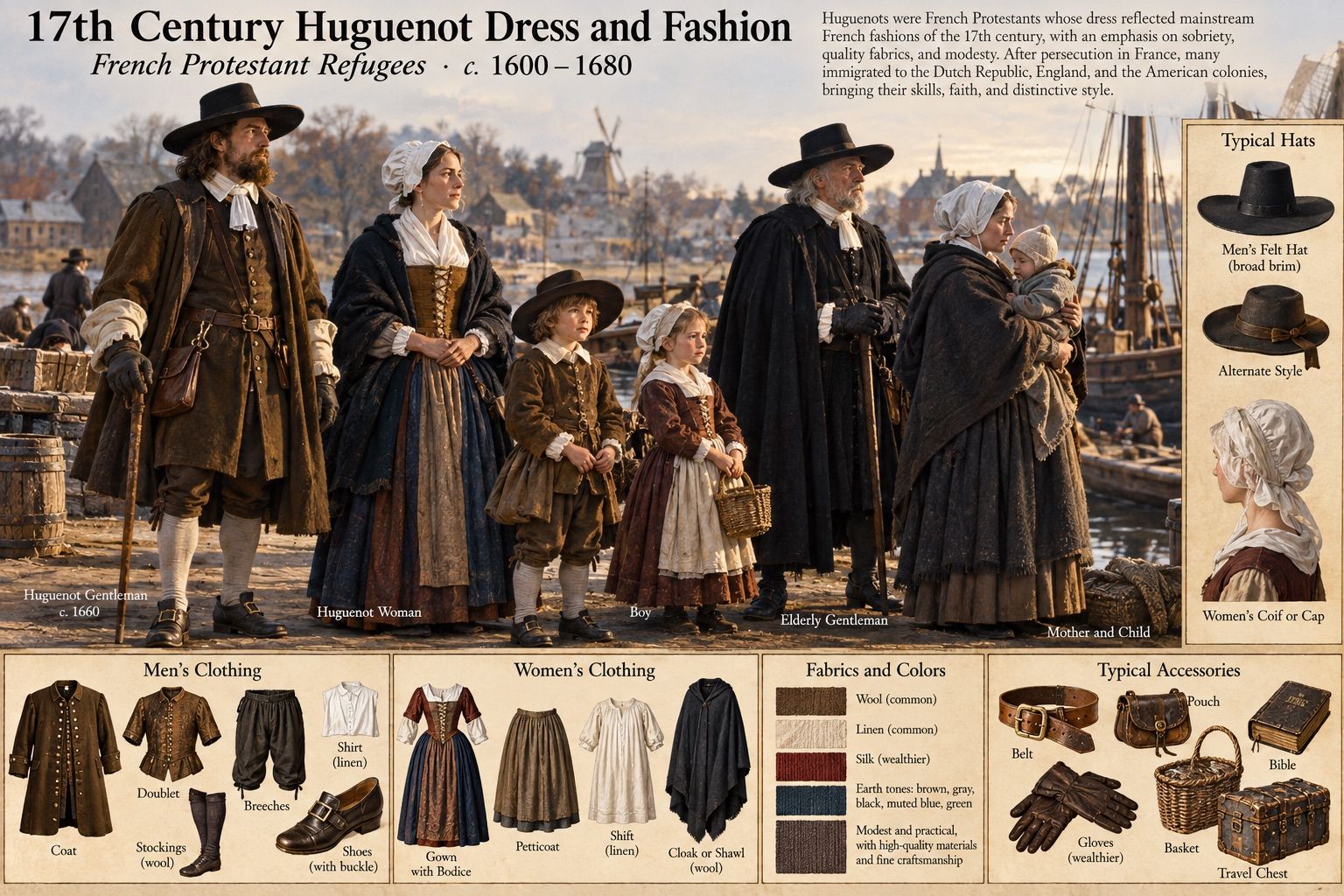
The promise of land
The Dutch West India Company, which ran New Netherland, needed settlers and printed offers of land and help to families willing to make the crossing. Gideon answered one, sailing on credit for his passage; the story is told in The Company’s Offer. The family sailed on the ship recorded as Der Permerlander Kerck (“the Purmerland Church”), under Captain Benjamin Barentsz. Gideon, his wife and four sons, aged 15, 8, 6 and 4 by the list’s reckoning, appear on the ship’s second passenger list. They sailed from Amsterdam on 12 October 1662 and reached New Amsterdam, today’s New York City, on 18 February 1663, after a winter crossing of more than four months.
Not everyone made the voyage. Their daughter Marie stayed behind in Holland, and their son Esechias had died young.
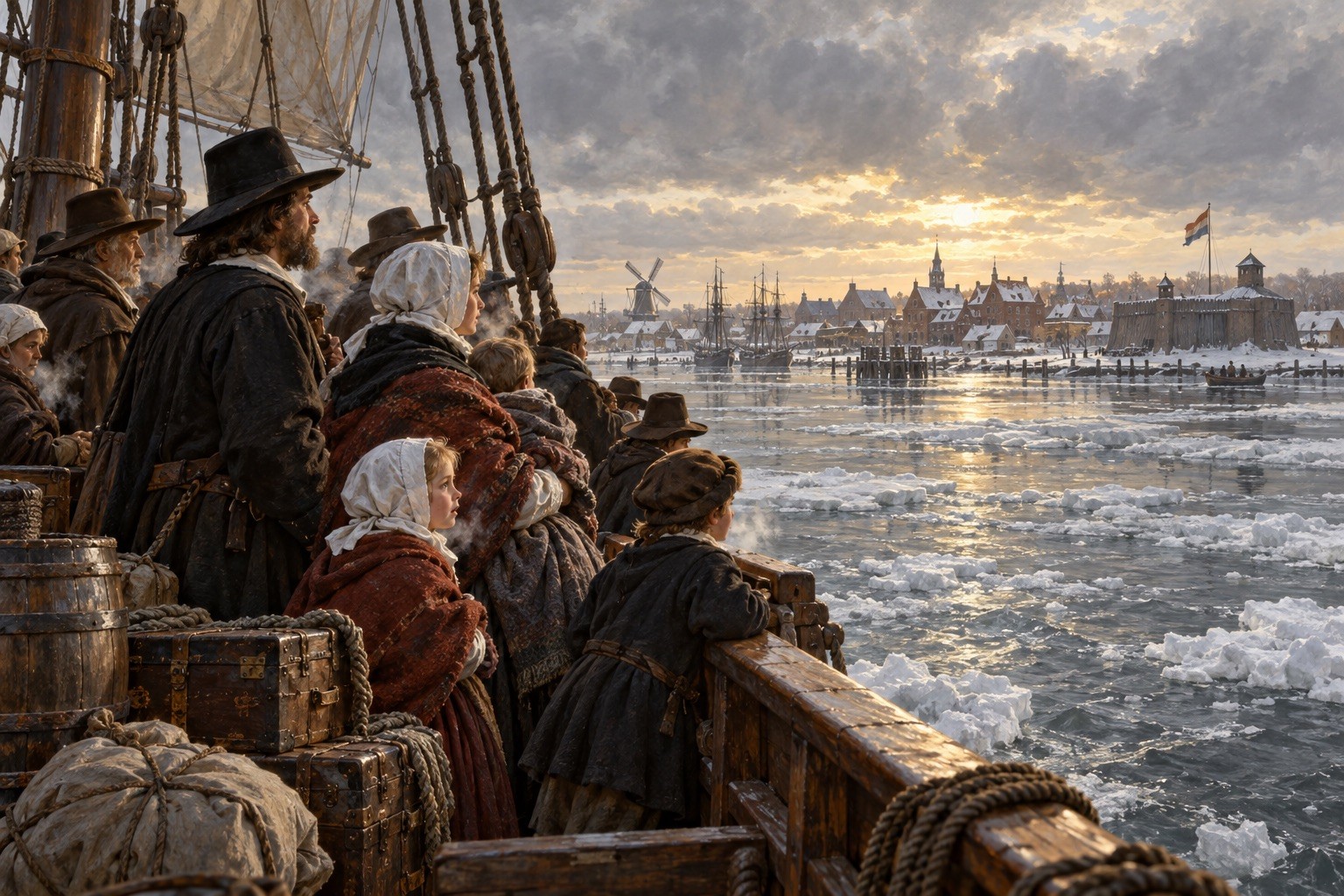
A new start on Staten Island
On 19 March 1663, barely a month after landing, Gideon and six of his fellow passengers petitioned the colony’s government. They asked for land, provisions for six months, and seed grain, which they promised to repay from the next harvest. The petitions were granted. On 1 April 1663 Gideon joined the Dutch Reformed Church of New Amsterdam.
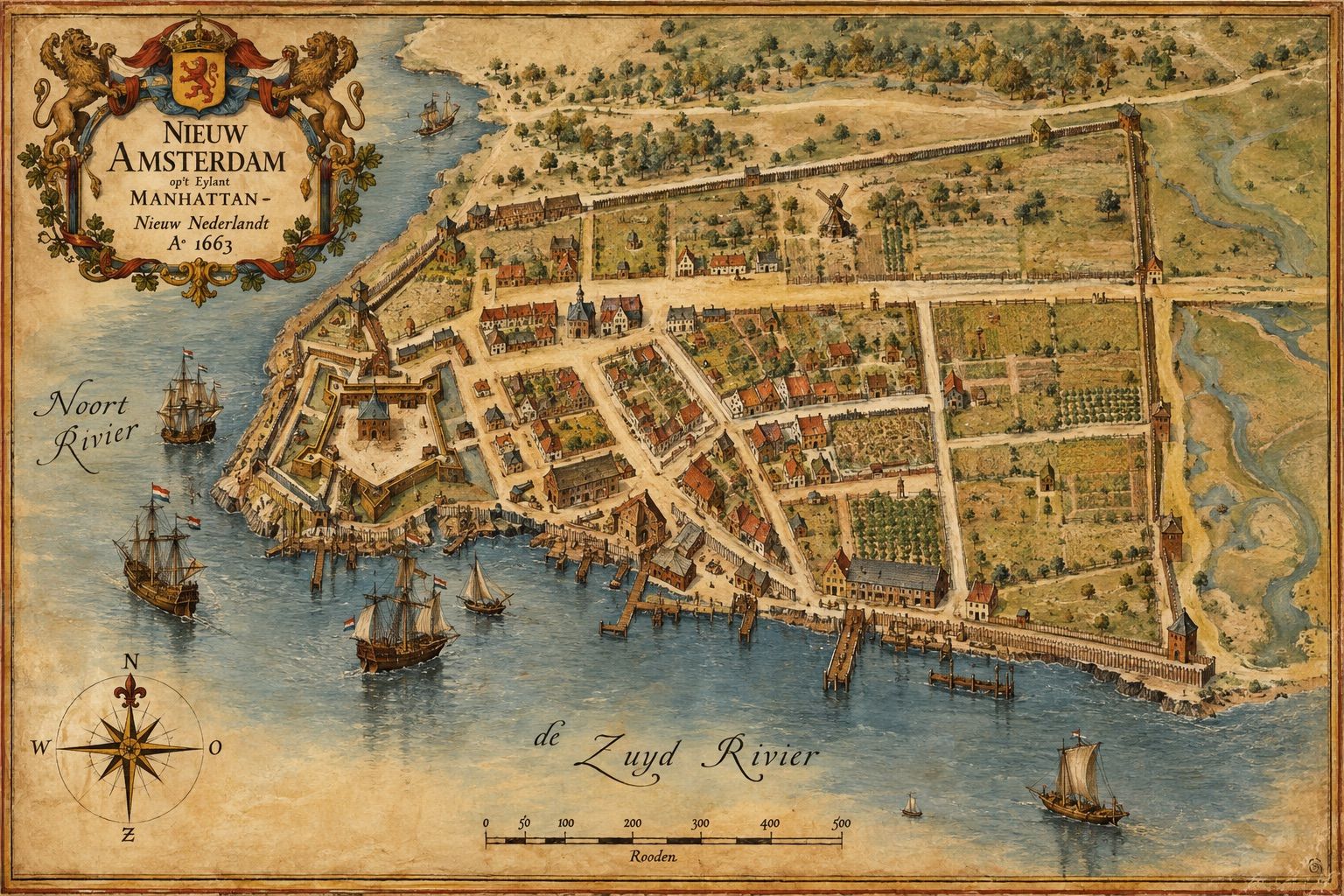
The family made their home on Staten Island. Land records of 1675–76 describe surveys of 256 acres on the south side of the island for Gideon and his sons, and a patent to “Gideon Marlett and his two sons, Joshua and Paulus” for 243 acres plus 30 acres of salt meadow at the mouth of Fresh Kill (kill is the Dutch word for a creek or stream). A copy of the 1663 petition survives in the New York State Archives in Albany, among the New York Colonial Manuscripts, volume 10.
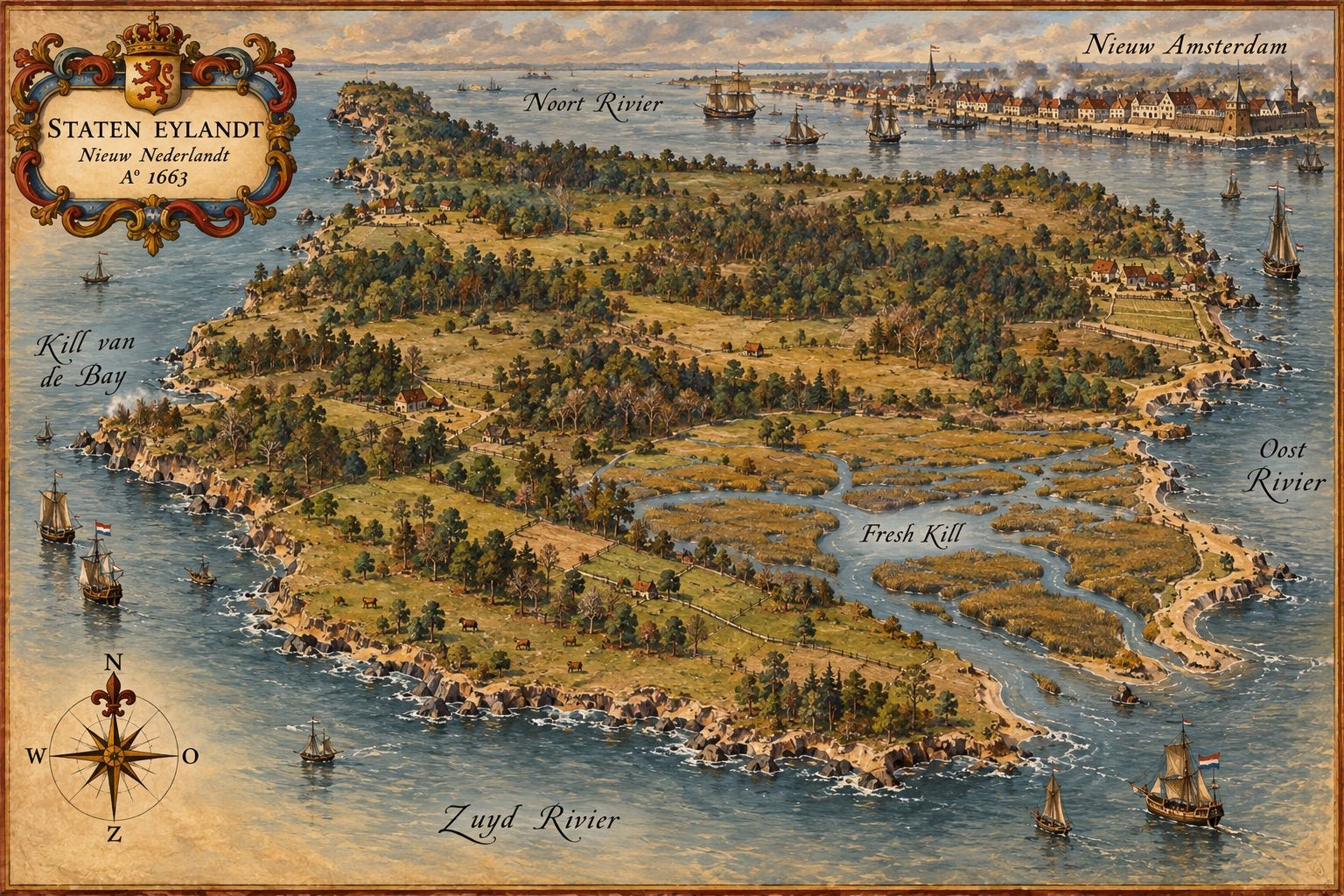
The family had arrived just in time for a change of flag: in 1664 the English took over New Netherland and renamed it New York. The Merles stayed, and Gideon became a man of standing: constable of Staten Island under the English in 1671, and a magistrate in 1674, when the Dutch briefly retook the colony. Their youngest child, Anne, was born on Staten Island in 1666. The family later moved across to New Jersey, where Marie died at Piscataway in 1681. Gideon had died by March 1684, when Josias and Paulus asked the colony to survey and divide the land they had inherited from him.
The family’s twenty years on Staten Island are told in more detail in The Staten Island Years.
The family who made the crossing
- Gideon La Plante Merlet c. 1624–1684, the father
- Marie Martijn Martin 1622–1681, the mother
- Joseph (Josias) Merlet born 1645, about 17 at the crossing (the passenger list says 15)
- Paulus Marlet born 1653, about 9
- Abraham Marlett 1656–1716, 6
- Jean Pierre Mellot 1658–1704, 4. Through his son Theodoras Mellott, he is the ancestor of the Maryland and Ohio Malotts.
Left behind in Holland: Marie Merlet (born 1646). Died young: Esechias Merlet (born 1648).
Another immigrant of the same era joined the family by marriage. Christance Billeau, born in Leiden in 1658, married Abraham on Staten Island in 1678.
The ship and its passengers
The family crossed with about fifty other people, many of them fellow French-speaking Protestants. The ship itself, its other voyages to New Netherland, and the full passenger list have their own article: The Purmerland Church: The Ship That Brought Our Family.
Where this record differs from the tree
This record and the family tree on this site don’t agree on every detail, which is common in research of this age:
- It names Gideon’s wife Margueriet Martin; the tree has Marie Martijn Martin.
- It gives daughter Marie’s birth as 11 September 1646; the tree has 11 November 1646.
- It gives Jean Pierre’s death as 1702; the tree has 1704.
- It says Esechias died before 1662; the tree has no death date for him.
- It gives 12 October 1662 as the arrival date. That was actually the day the ship sailed from Amsterdam; it reached New Amsterdam on 18 February 1663.
- It says Gideon and his two eldest sons were granted 242 acres at Fresh Kills plus 40 acres at the Salt Meadows. Later land records give 243 acres and 30 acres of salt meadow, with surveys of 256 acres.